By Charlie Faulkner
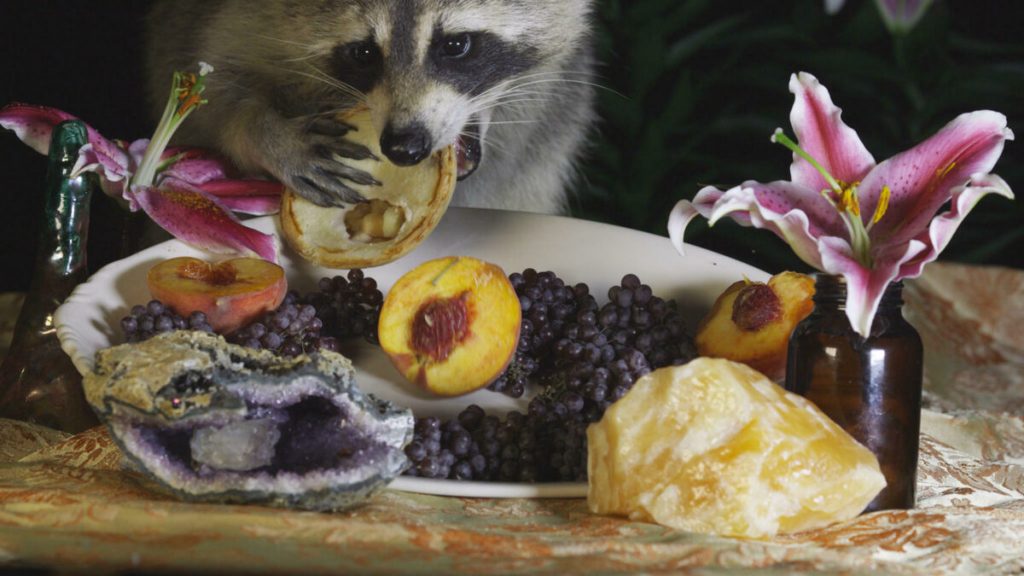
For the PIFF the shorts programming was guided by specified themes; for shorts program number three, the theme was longing. The structure of the night was divided into nine shorts (two of which were not listed on the program for shorts three and came as a bit of a surprise to myself at least) the longest being 33 minutes and the rest averaging at out at about 8 minutes each. Two of the films were located and shot in Pacific Northwest, one being specifically made in Oregon. The range of films underneath this theme I found to be surprisingly wider than expected: documentary, experimental, narrative, and poetic diary film. The stand out piece was You Were An Amazement On the Day You Were Born. The film was responded to very distinctly (and vocally) throughout the audience. Large bursts of laughter and sentimental sniffles filled the auditorium of The Whitsell. Profoundly vulnerable, courageous, powerful visuals and absolutely, wildly hilarious, Emily Vey Duke & Cooper Battersby’s work was one of passion and it really shone through. The film creates a prolific and detailed memoir of a life from beginning to death juxtaposed by nature and wildlife, emphasizing the cruel and hilarious circle of life that exists within our world as we understand it. Though it tackles intense topics of mental illness, suicide, and dangerously manipulative men, the film is overwhelmingly charming and the voices of Duke and Battersby is as unique as it is profound. The loud echos of a T-Pain song playing as a precursor to a discussion of a suicidal ideation, recreations of a letter received from a professor ,whose dog the narrator fed Plan B to, in a feeble attempt to fix her mistake of letting the dog in questio go to the dog park while in heat despite his strict instructions, and animations of the narrators secret power to scare away creepy men in bars with a hideous smile are just a small portion of moments that erupted the audience in laughter (to the point of tears for some).
There were many other excellent shorts, the documentary films both being tremendously engaging and a major focus of intrigue. Century Farm focused on the simple and monotonous living of the filmmakers uncle who manages the family farm that has remained within that family for one whole century. The gentle and personal touch that comes from the filmmaker’s close relationship to the subject material felt deeply apparent and certainly added its impact. The film was relatively quiet, lacking a consistent voice over or talking head the film allowed the audience to be immersed in the tranquility and repetitions of farm living. The uncle whose focus of the film was an elderly man who clearly carried a great deal of pride and care in all that he does. Filmmaker Stephanie Hough during the Q+A following the screening revealed her development in adapting the short into a feature length piece.
The second documentary, Fast Horse made by Alexandra Lazarowich, follows what is referred to in the film as “America’s First Extreme Sport.” The film follows a group of indigenous individuals of The Blackfoot descent on a team that actively engage in the competitive sport of bareback horse riding relay race. The team’s newest jockey is as determined as he is eager. The passion and dedication the tribe has to the tradition is clearly and beautifully portrayed by the film. The film begins with the introduction to the sport and various detailings of the training process, and the film finally crescendos with an intense racing competition in which the newest jockey is participating in for the first time. He suffers a brutal and dangerous hit in the race but miraculously manages to continue the race, all things considered, fairly well. The film does an eloquent job in rooting the context of the sport in the importance of the event to the indigenous folk who carry on the legacy and tradition of the practice.
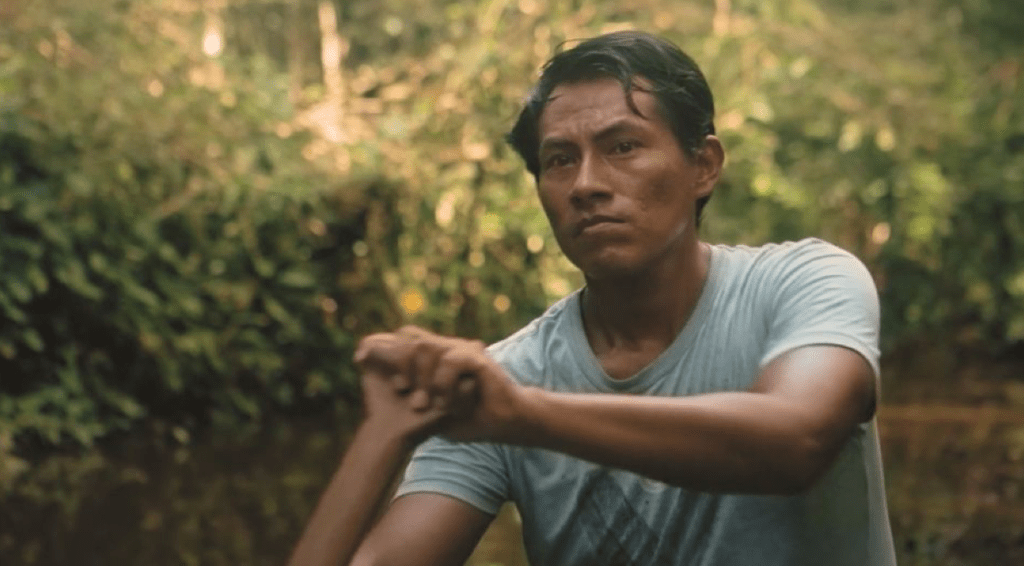
While many of the films illustrated longing in similarly profound and diverse ways, there was one film that left a bit of discomfort and scrutiny, from myself and some other folks that I had the opportunity to discuss with at the end of the screening, was the film Love Birds directed by Ashley Mosher. A triumph of beautiful and mesmerizing cinematography, unfortunately missed the mark in its problematic narrative. The film follows the story of a privileged white woman primarily based on many truths (with the occasional fictitious weaving) of the director feeling sick of life in the city and becoming compelled to pack away her life and travel to adventure and enlightenment in the Amazon jungle. On her journey she meets a Peruveian local of the jungle who she forges a fixation upon that feels rather exploitative. It is not an uncommon narrative of the privileged white woman fulfilling a very self indulgent enlightenment on behalf of the spectatorship of the“unconventional” beauty in the simplicities of native lives and other various cultures. This phenomena which can largely be viewed under the obsession of such narratives like Eat, Pray, Love is often guised under a less-overt neo-liberal and neo-colonialist ideology. This inappropriate and exploitative journey to self is often praised as bold and inspiring, especially to white audiences. The privilege of profiting of the stories of traditions and heritages of other cultures and ways of life should be viewed critically. It was unfortunate to see such a narrative unfold in the PIFF lineup, as I was deeply moved by the rest of the shorts within the program.
 PSU School of Film @ PIFF